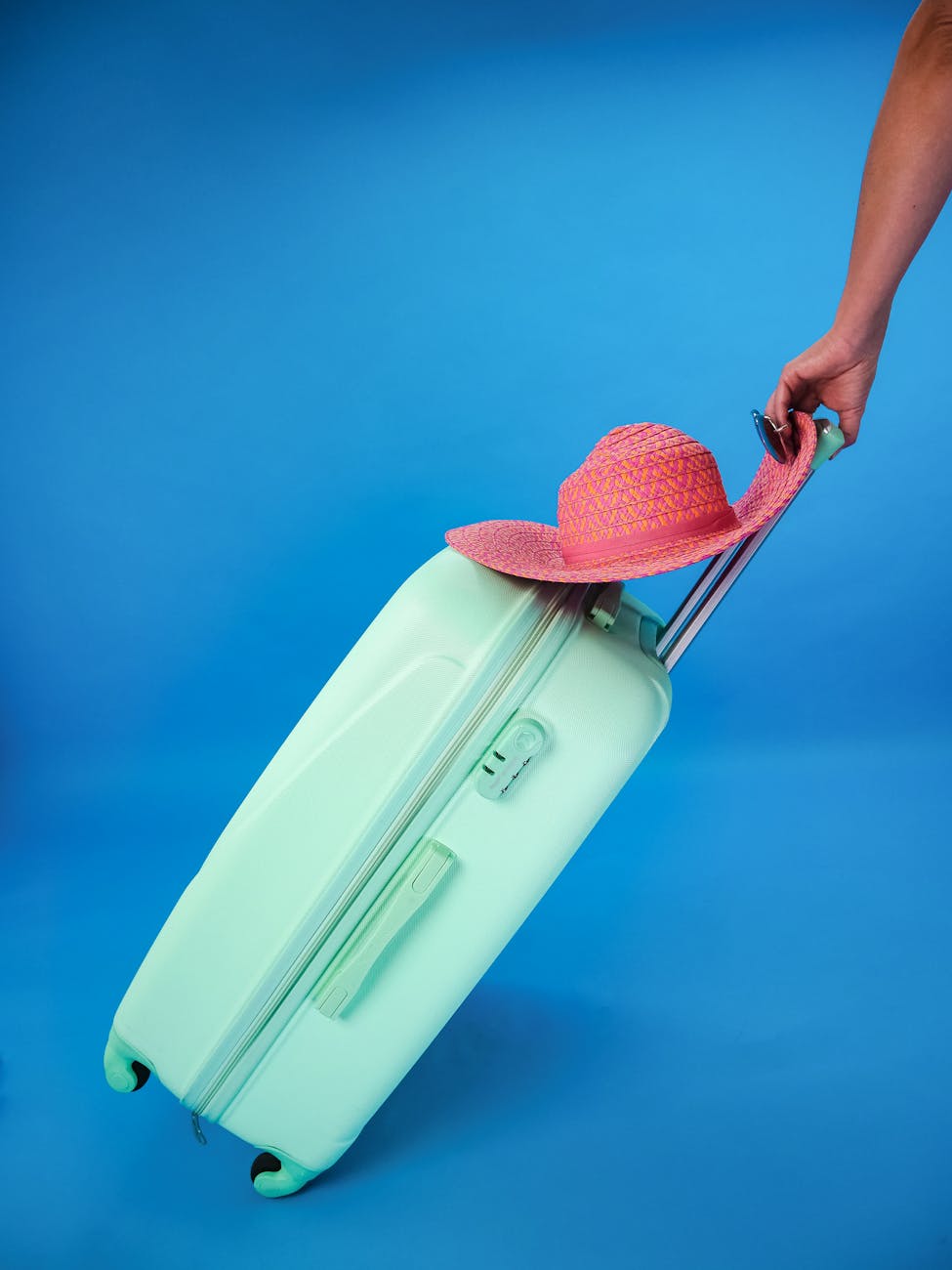
When you’re heading out on a journey, the last thing you want is to get caught at the airport with surprise baggage fees. Every airline has different rules about what you can carry, how much it should weigh, and what items are restricted. This guide will help you understand luggage allowances in 2025 and prepare smartly for a stress-free trip.
—
🧳 Types of Luggage You Should Know
Carry-On (Cabin Baggage):
This is the bag you take with you into the cabin. Most airlines allow one cabin bag plus a personal item like a purse or laptop bag. The size limit is usually around 55 x 40 x 20 cm, and the weight is typically between 7 to 10 kilograms.
Checked-In Baggage:
This is the luggage that goes in the plane’s cargo hold. For most economy travelers, the weight allowance is 15 to 23 kg, depending on the airline and route. Premium or business class passengers are allowed more weight.
Personal Items:
Items like a handbag, laptop bag, or camera bag fall under this category. They should fit under the seat in front of you and don’t usually count toward your cabin baggage limit.
Special Baggage:
This includes sports gear, musical instruments, baby strollers, or wheelchairs. You often need to inform the airline in advance or follow specific packing instructions.
—
🎟️ Baggage by Travel Class
The amount of luggage allowed changes based on your travel class:
Economy Class passengers usually get one carry-on and 15 to 23 kg of checked baggage.
Premium Economy allows slightly more—around 23 to 25 kg.
Business Class passengers get extra allowance for both cabin and checked bags, often up to 30 or 35 kg.
First Class passengers enjoy the highest limits, sometimes up to 50 kg in total.
Always check with your specific airline, as the actual limits can vary.
—
🌍 Domestic vs. International Flight Rules
On domestic flights, like those within India or the U.S., checked baggage allowances are generally lower. Some low-cost airlines even charge for all checked bags.
On international flights, most airlines include at least one checked bag in your ticket price. The weight allowance is usually higher, especially on long-haul flights.
—
✈️ Popular Airlines and Their Baggage Rules
IndiGo (India): Allows 7 kg of cabin baggage and 15 kg of checked-in baggage for domestic flights.
Air India: Offers 8 kg cabin baggage and 25 kg for checked luggage on domestic routes.
Emirates: Allows 7 kg in cabin. Checked baggage allowance ranges from 25 to 35 kg, depending on class.
Qatar Airways: Economy class passengers get 7 kg cabin and 25 to 40 kg checked luggage.
Ryanair (Europe): Charges for both cabin and checked baggage. Only a small personal item is included by default.
British Airways: Usually allows 23 kg of checked baggage even in economy class, depending on your fare.
—
⚖️ What If You Exceed the Limit?
If your bag is overweight or too big, airlines will charge you extra. The cost can vary widely—some charge per extra kilogram, others charge a flat fee.
To save money, always try to pre-book additional baggage online. It’s often 30% to 50% cheaper than paying at the airport.
—
💡 Tips to Avoid Extra Charges
1. Weigh your luggage at home using a digital luggage scale.
2. Pack heavier items in your hand luggage if allowed.
3. Wear your bulky clothes like jackets or boots during travel.
4. Use packing cubes to organize efficiently.
5. Sign up for airline loyalty programs—they sometimes give free extra baggage.
—
🚫 Items You Can’t Carry
In your carry-on, you’re not allowed to bring sharp objects, liquids over 100 ml, or power banks over a certain capacity.
In your checked baggage, avoid putting in lithium batteries, flammable items, or electronics that can’t be switched off.
—
🔋 What About Smart Luggage?
Smart luggage is allowed as long as the battery can be removed. Some airlines are strict about lithium batteries, so always check before you travel.
—
✅ Final Travel Reminder
Luggage rules change often, especially between airlines and countries. Before you pack, visit your airline’s official website or app to get the latest updates.
By following this 2025 guide, you’ll be able to pack smart, avoid penalties, and travel with peace of mind.
—
-
Pack Smart, Fly Easy: The Ultimate Guide to Luggage Allowances in 2025